Monday, October 27, 2008

New Florida FWC Rules For Bat Control

CLARIFICATION OF THE NEW FLORIDA'S RULES RESTRICTING THE TAKING OF BATS
Effective July 2008, 68A-9.010).
Summary of http://www.floridaconservation.org/trappers/TakingBats.pdf

bat Control for Gainesville, Ocala,Lake City, Live oak, Florida


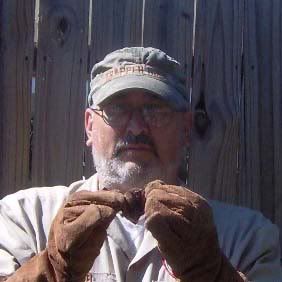
Robb Russell with a bat he rescued from inside a home. The bat was released back into the wild near its colony.


Other Guidelines Affecting The Trapping of Nuisance Animals Nuisance

Bats may not be trapped , and removed only by use of a exclusion device which allows escape from and blocks re-entry into a roost site located within a structure (including chemical repellents), at any time from August 15 to April 15 . The dates from April 16-August 14 are maternity periods for these protected mammals so that adult bats are not separated from flightless young trapped inside a structure, which would cause starvation and take of the young.

The use of netting that does not allow for ingress and egress of adult separating them from their flightless young is illegal. YThe use of chemicals such as Moth balls that kill bats is not illegal and can never be performed. Remember the killing of bats in Florida is against the law.

Permanent repairs during these maternity periods such as re-roofing will require proper exclusion methods first and work ceased if bats are present during this maternity period. Approved bat exclusion work can only be done during this period of time and only after the completion approved methods since the killing of bats is illegal in Florida.

No exclusion work may be conducted unless a minimum of four consecutive days/nights for which the low temperature is forecasted by the U.S. National Weather Service to remain above 50°F prior to repairs and during the time-period specified.

The Wildlife Pro, LLC fully supports this law, and is thankful for FWC's new steps to protect Florida's Bat Wildlife and has been performing under these guidelines for years. If you are concerned about a bat infestation, or invasion please give us a call for a thorough and complete inspection at our call Service Center 1-800-714-8727 or through our web sites, GainesvilleWildlifeRemoval.com , or AnytimeAnimalControl.Com

Sunday, October 26, 2008

Don't Pick Up That Wild Animal Please


Rabies is just one of many communicable diseases that can be spread by something as simple as picking up and carrying for a hurt or orphaned animal. failure to take ample safety precautions can put you or your family at risk. Don't pick up wild animals please!


Rabies is one of the oldest known viral diseases, yet today it remains a significant wildlife-management and public-health challenge. Rabies affects the central nervous system of un-vaccinated animals that are exposed to the virus and is invariably fatal. many species of wildlife are known to be carriers or vectors of rabies-Raccoons, Fox, feral cats, bats, and lets not forget our own domesticated animals that may come in contact with them such as cats (rare) and dogs.

What to do if bitten by any animal

If you have been bitten or scratched by an animal that might
be rabid, do the following:

• Act promptly, but do not panic. It takes time for the rabies
virus to react in the body.

• Capture and kill the suspect animal, if possible, without
destroying the head.

• Wash the wound immediately and thoroughly with generous
amounts of soap and water. Then apply rubbing alcohol or
a strong solution of water and iodine to the exposed areas
(except for the eyes, of course).

• Contact a physician immediately after this first-aid treatment.
Rabies vaccine and antiserum will then be administered as
required.


The following are from The Center For Disease Control:

Rabies is a viral disease caused by infection of the central nervous systems of wild and domestic animals and humans. The initial symptoms of human rabies resemble those of other systemic viral infections, including fever, headache, malaise, and disorders of the upper respiratory and gastrointestinal tracts. Recognizing that a person has been exposed to the virus and prompt treatment are essential for preventing rabies. For once clinical symptoms have begun, there is no treatment for rabies and almost all patients will die from the disease or its complications within a few weeks of onset.

In the United States, wild animals (especially bats, raccoons, skunks, coyotes, and foxes) are the most important sources of rabies infection. Indigenous rabid bats have been reported from every state except Hawaii. Individual bats from most of the estimated 41 bat species in the United States have been found to be infected with rabies virus. Rabies virus associated with insectivorous bats (those that feed principally on insects) accounted for 32 of the 35 indigenous rabies cases in humans in the United States between 1958 and 2000.

Rabies is transmitted via an infected animal’s bite or by contamination of abrasions, open wounds, mucous membranes or theoretically, scratches, by infectious material such as saliva. Contact with the blood, urine, or manure of a rabid animal is not a risk factor for contracting rabies. Consequently, workers exposed to accumulations of bat droppings in environments from which bats have been excluded have no rabies risk. Although spelunkers seldom have direct contact with bats, they are included in a frequent-risk category by CDC because of potential for bite, nonbite, or aerosol exposure to the rabies virus. Two fatal cases of rabies in humans have been attributed to possible airborne exposures in caves containing millions of free-tailed bats. In addition, between 1990 and 2000, a bite was documented in only 2 of the 24 U.S. human rabies cases caused by bat-associated rabies virus variants. This suggests “that transmission of rabies virus can occur from minor, seemingly unimportant, or unrecognized bites from bats.” (144) While aerosol transmission of the rabies virus from bats to people is theoretically possible under extraordinary conditions, the risk is otherwise negligible.

The percentage of rabid bats in any colony is probably low (0.5% or less). However, a dead bat should still never be picked up with bare hands since its death may have been caused by an infectious agent. The rabies virus can remain infectious in a carcass until decomposition is well advanced. Thus, whenever possible, a shovel or some other tool should be used to pick up and dispose of a dead bat. If a dead bat must be handled, wearing heavy work gloves should minimize the risk of disease transmission because of an accidental scratch from the bat’s teeth or by contamination of existing scratches or abrasions on a worker’s hands.

For a complete description of rabies, please visit the Centers for Disease Control and Prevention web site http://www.cdc.gov/ncidod/dvrd/rabies/
Saturday, October 25, 2008

Reptiles & Diseases Associated With Them.

Diseases from Reptiles


The following is from the United States Center of Disease Control. Anyone who handles, owns or works around reptiles like nuisance wildlife control and homeowners with reptiles in their home.


An estimated 3% of households in the United States own at least one reptile. Reptiles, including turtles, lizards, and snakes, can carry germs that make people sick. Of greatest importance is Salmonellosis.


An estimated 70,000 people get Salmonellosis from contact with reptiles in the United States each year.

Important Tip!

Children under 5 years old and people with weak immune systems (such as HIV/AIDS) should avoid contact with reptiles. These people can get very sick from a germ, called Salmonella, that reptiles carry. Reptiles include lizards, snakes, and turtles
turtle !


The proper way to prevent Salmonellosis is to follow these CDC Guideleines

Here is the CDC's Bulletin on Healthy Care of Reptiles.

Salmonellosis is an important worldwide health problem, affecting both humans and animals. In the United States, Salmonella causes an estimated 1.4 million episodes of infection and 400 deaths annually in humans. Salmonella usually causes a moderate gastrointestinal disorder, but it may result in more severe disease, such as bacteremia or meningitis, sometimes with fatal outcome.

For decades, reptiles have been recognized as a source of human salmonellosis. Salmonella species were first isolated from snakes, turtles, and lizards in the 1940s, and more recent studies have shown that at least 50%–90% of these animals are carriers of Salmonella. The bacteria are excreted intermittently in the feces but can also be isolated from the cloacae, skin, and throat of water-living reptiles.

Reptiles have become increasingly common as domestic pets. In Canada, pet turtle–associated salmonellosis was recognized as a serious health problem in the 1960s and 1970s, and the country banned imported turtles in 1975.


Learn more about Salmonellosis associated with reptiles by going to the Center For Disease Control Associated Page

This is a video from The Food & Drug Administration on Turtles & Salmonella


The Wildlife Pro, LLC mission is to do our part to conserve Florida's natural biological resources- its own native wildlife, provide reputable and responsible service to the public at large. To specialize in wildlife damage repair and perform wildlife friendly one way door exclusions or total removal of all local nuisance vermin including Fox Squirrel, Grey Squirrel, Flying Squirrel, Bats, Raccoon, Possums, Snakes, Lizards and many species of birds in compliance of local laws, State and federal and requiring approved permits for some work!

The Wildlife Pro, LLC Nuisance Wildlife Control Specialist
Serving Alachua, Bradford, Columbia, Dixie, Gilchrist, Suwanee, Union Counties . 1-800-714-8727

Outside of the area try Anytime Animal Control, FLWCA , NWCOA

Do Wild Animals Think Your Home Is A 5-Star hotel!

Do wild animals think your home is a 5-star hotel!

This is not my video but sure shows how inviting any pet door can be to wild animals from outdoors.

Are you offering cozy accommodations, a snack bar just down the driveway and protection from predators using your attic, porch, deck, under shed or basement a preferred address. Most nuisance animals are active year round, sneaking into your home during the winter for warmth and staying to raise their young in early spring. Some consider it a permanent change of address, others check in every nesting season.

Here is Kirk La Pierre of NGM-Saver of Rutherford, NJ

If you offer food, water or a living habitat and it becomes available to opportunistic animals you will become their new 5 Star Hotel Accommodation.

Here is my fellow associate, Mike Flick of Anytime Animal Control.com in Los Angeles, California

Tips To Help Prevent Unwanted Wild Animal Visitors.

1. Keep trash covered under lid or store in a garage or shed until pick up time. Leaving garbage bags with edible foods or rubbish with out covered containers invites trouble for both you and your neighbors.

2. Do you like to grill outside? A good clean grill after use will stop them from be attracted to the grills oils/grease and uncooked food stuff wastes your grill can harbor.Always thoroughly clean a grill after its use.

3. Keep branches, trees and shrubbery off of your home and roof.many animals are good climbers and squirrels, possums, raccoons and many others will use these to try to cause damage and gain access into your home.

4. Bird feeders feed more then birds. Yes it is a joy to see the birds but they also attract other vermin like mice, rats , squirrels and their predators. If you actively replace the feed in your bird feeder you may be causing a problem and not even know it.

5. Never feed a pet outdoors and if you must don't leave their uneaten food in containers for other unwanted visitors. One of the biggest causes of unwanted vermin starts with leaving food out for a stray cat or dog.

These are just a few tips and having your home inspected and replacing worn building materials and closing off entry and exit points is the best way to have a pro active wild animal or bird program.

I offer professional home inspection services and perform most animal damage repair and exclusions for any animal, bird, bat or wildlife such as raccoons, possums, rats, mice, bats, possums, snakes and more.


Robb Russell, The Wildlife Pro , LLC
Serving Greater Gainesville, Branford, Lake City, Lake Butler, Starke &
Most of North Central Florida
Member, NWCOA & FLWCA
Find Us On the Web At http://www.gainesvillewildliferemoval.com
1-800-714-8727

Friday, October 24, 2008

4th Annual Florida Bat Festival 2008


Saturday October 25th, 2008, 11am- 3.00 pm.
At Lubee Bat Conservancy, 1309 NW 192nd Ave, Gainesville Florida


Announcement: Walt Disney World Co. have added some magic to this year's event ! The Grand Raffle prize will be a voucher for one Savanna room for one night at Disney's Animal Kingdom Lodge plus 4 complimentary One-Day Park Hopper passes - allowing you and your family access to Magic Kingdom, Epcot, Disney's Hollywood Studios and Disney's Animal Kingdom- all in one day.

And YES we know it's a Gator's game day! Most often the game is later on , but this year its earlier - sorry!

Good news – the Bat Festival movement within the USA is growing! While Halloween is traditionally a time to fear the spooky side of bats, it also presents a fantastic opportunity to celebrate the beneficial side of bats and campaign to Save our Nightlife!

Last year over 1000 people from the greater Gainesville area came to spend an afternoon meeting the gentle giants of the bat world. The event is a one-day educational event for families and folks of all ages, which includes a tour of Lubee Bat Conservancy and the unique opportunity to see live fruit bats with 5 ft wingspans eating spectacular edible pumpkin sculptures!

Talks introducing bats as pollinators and about the native bats of Florida are given, along with information about ways that homeowners can avoid conflicts with bats and how maintaining healthy bat habitats benefit other Florida plants and animals.

Groups with tables and displays for 2008 include - Florida Bat Conservancy, Alachua Audobon, Florida Museum of Natural History, Friends of Payne’s Prairie, Watershed Action volunteers. Our staff will also be manning global bat information tables and there will be plenty of craft activities to participate in, including mask-making crafts and batty face-painting.

This year, groups will be selling bat jewelry and crafts, bat photos, T-shirts (in Gator colors!),Wildlfower Seeds, plants and much more.

New! For the first year we will have food vendors offering lunch options.

NEW! To to reduce waiting time to see the bats, this year we have opened up our doors at an earlier time and have opened our back exit/entrance , Visitors viewing bats are now able to walk straight thru and out of the building, reducing congestion.

Our fruit bats are also to be found on exhibit at Disney’s Animal Kingdom – but here at Lubee we offer a unique once-a-year opportunity for you to see the animals up close and learn about their critical role as pollinators and seed dispersers of flowering plants.


Comments about the festival include “It’s the best place we’ve ever been” and “We’ll be late home, we can’t get the kids to leave”. So please save the date and join us!

Entrance is free, but we hope you will be so impressed you might wish to make a donation or Adopt-a-bat, as a way of Saving Florida’s Nightlife!

For more information, please email us at info@lubee.org


--------------------------------------------------------------------------------

How to get to Lubee Bat Conservancy


Lubee is located approximately 9 miles north of Gainesville at 1309 NW 192nd Ave. (take NW 34th street over NW 13th st./HWY 441 past the highway patrol station until CR 231 forks off to the right. Follow CR231 for several miles, then turn right onto 192nd Ave. Lubee is ahead on your right) Please note that we will only be open to the public on the afternoon of the festival. Visitors at other times are not permitted. Don’t miss this unique opportunity!!


--------------------------------------------------------------------------------

A Big THANK YOU to our Bat Fest Sponsors 2005, 2006, 2007

If you run a local business and would like to become a partner and sponsor the 4th Florida Bat Fest 2008 - we need your help! Or if you run a local group and would like to have a display table at our festival, please contact our Bat Fest 08 Coordinator Kristie Vetter at info@lubee.org


Renaissance Printing
Gainesville Health & Fitness
Earth Pets
PetSmart
Lowe’s
Hippodrome State Theater
O2B Kids
Pitman Produce
The Produce Distribution Center
The Garden Wholesale Produce
Grandiflora nursery
Hatchett Creek Farms
Mega Comics
Sweetwater Organic Coffee
Skate Station Funworks
Starbucks Coffee Company
Coffee Culture
Gatormania
Alley Gatorz
Alley Katz Corner
Cabana Cove Caribbean Grille
Leonardo’s
La Fiesta Mexican restaurant
Romano’s Macaroni Grill
Harry’s Seafood Bar & grill
Hip Moves
Skate Station Funworks
Wild Birds Unlimited
Terry Zinn/Wildflowers Ltd.
Dampier’s Septic Tank

Meet Robb Russell


Meet Robb Russell
The Wildlife Pro, LLC
Serving Most Of North Central Florida


I absolutely love my job and working with the lovely wildlife in this area. recently I relocated in this area due to my wives health and the need to move her back home with here kids. So here I am.

If you have any wildlife , animal or bird concerns please give me a call . I promise to find the solution to eliminating your wildlife problems.


Robb Russell

1-800-714-8727


Servicing Most of North Central Florida, including the communities surrounding Gainesville, Ocala, Alachua, Newberry, Trenton, Branford, Ft White, Lake City, Live Oak,Lake Butler, Worthington Springs, High Springs,& the western parts of Jacksonville

I handle most animal, bird ,reptile, wildlife concerns you the North Florida residents may encounter
bats, raccoons, squirrels,moles, pocket gophers, snakes, lizards, sparrows, pigeons, nutria, beaver. Many of these bypermit from the Florida Wildlife Fish & Game Commission

http://www.gainesvillewildliferemoval.com
http://www.anytimeanimalcontrol.com
Robb@wildlifepro.net
Serving All North Central Florida
Founder, The Wildlife Pro Network


Visit THE WILDLIFE PRO NETWORK


Read My Blog , Listen To My Podcasts
If You Are A Professional Join my entire network

Build A Better Mouse Trap and The Mice Will Come

This type of trap is from an old ancient concept of drowning the mice. One should be able to get a few dozen mice with a 5 gallon bucket!!

I have been using similar designs for years and if you absolutely don't want poison used this is a good viable option. The only draw back is predators of mice and rats may tip your bucket over to eat the dead rodents.


Build a Better Mouse Trap! -

Wildlife Pro , LLC
Serving Greater Gainesville, Branford, Lake City, Lake Butler, Starke & Most of North Central Florida
Member, NWCOA & FLWCA
Find Us On the Web At http://www.gainesvillewildliferemoval.com